From Monpa crafts and traditional sports to community-led experiences across five gewogs, the Black Mountain Festival in Octoberoffers travellers a closer look at central Bhutan.
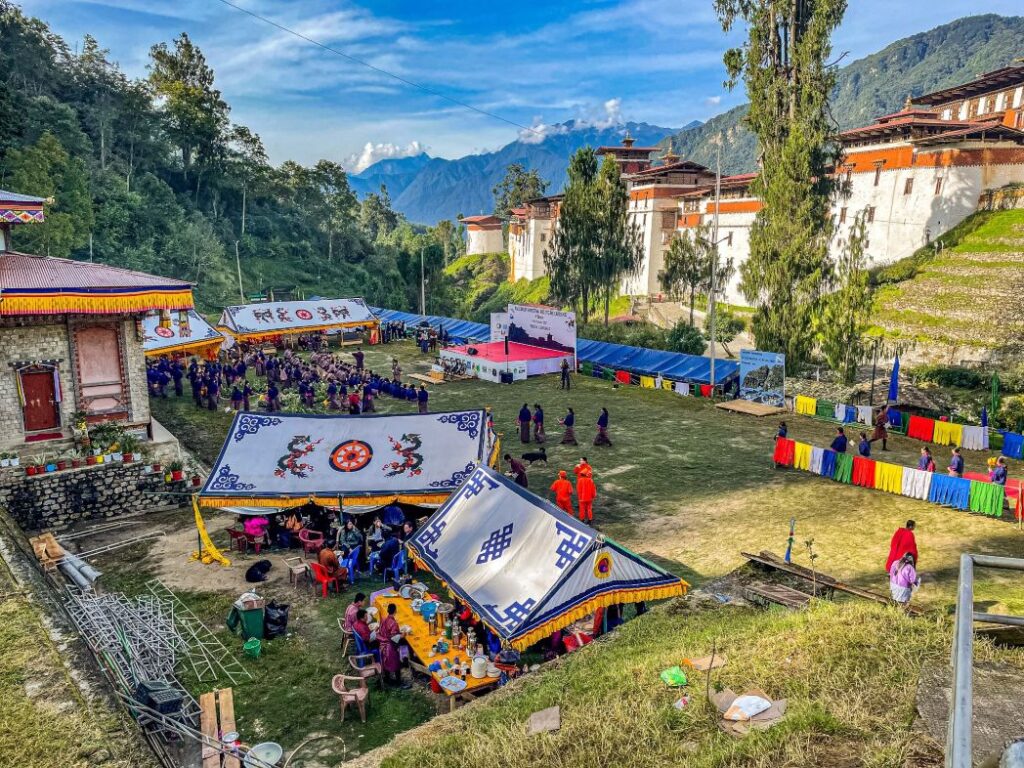
Bhutan’s central district of Trongsa is putting its communities, traditions and natural landscapes in the spotlight as the Black Mountain Festival returns for its fifth edition on 3–4 October 2026. The two-day celebration is designed to take visitors beyond the region’s historic landmarks and into its living culture, with experiences spread across local communities.
The Black Moutain Festival will be anchored at Yid-Zhin Throm, while a regional highway activation will connect visitors with five gewogs—Trongsa-Nubi, Tangsibji, Drakteng, Langthel and Korphu. Each will feature welcome gateways and community-led experiences, creating opportunities to discover local traditions and livelihoods along the journey.
“Trongsa Through Time: Celebrating Heritage, Creativity, and Community” is the theme for this year’s festival. The programme brings together indigenous sports, traditional food, local produce, handicrafts and cultural performances, alongside storytelling and drama competitions.
The Monpa community of Jangbi will be among the highlights, showcasing its traditional attire, cane and bamboo craftsmanship and locally produced goods. Visitors can also watch the Garp-Lung-Ghi Khorlo Bangjug, a traditional cross-country race that adds a sporting element to the cultural programme.
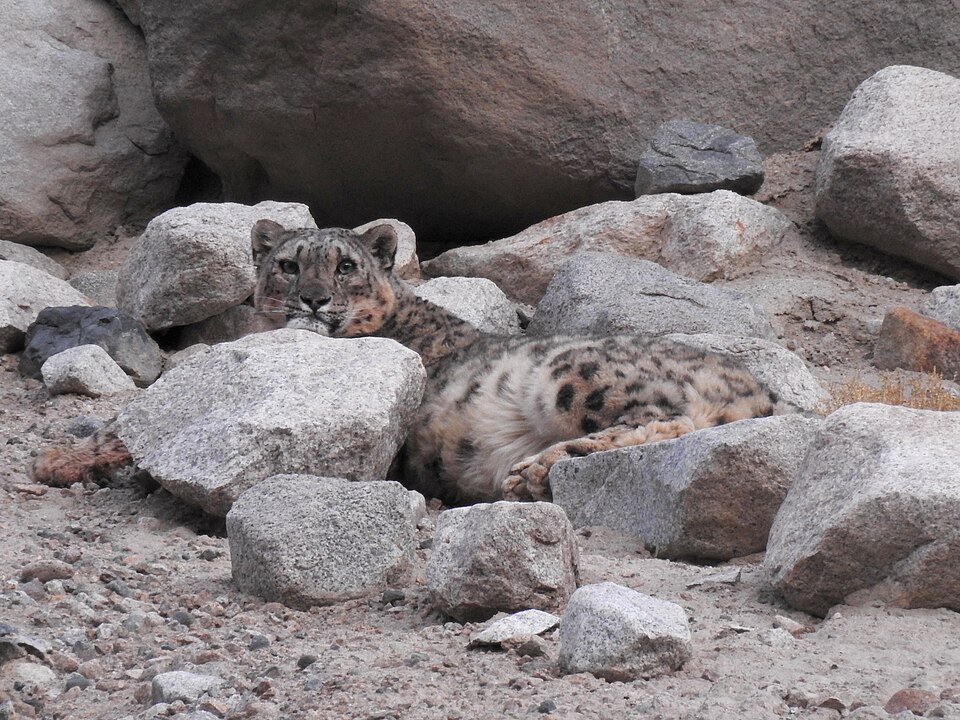
Trongsa’s appeal also lies in its setting. Surrounded by the Black Mountain range, the district is known for its forested landscapes, biodiversity and expansive valleys. More than 87% of the area remains under forest cover, and the district is also home to Jigme Singye Wangchuck National Park.
For travellers looking to explore a less familiar side of Bhutan, the Black Moutain Festival provides an entry point into Trongsa’s community life and cultural heritage, while encouraging visitors to spend time in the district rather than treating it simply as a stop along the way.